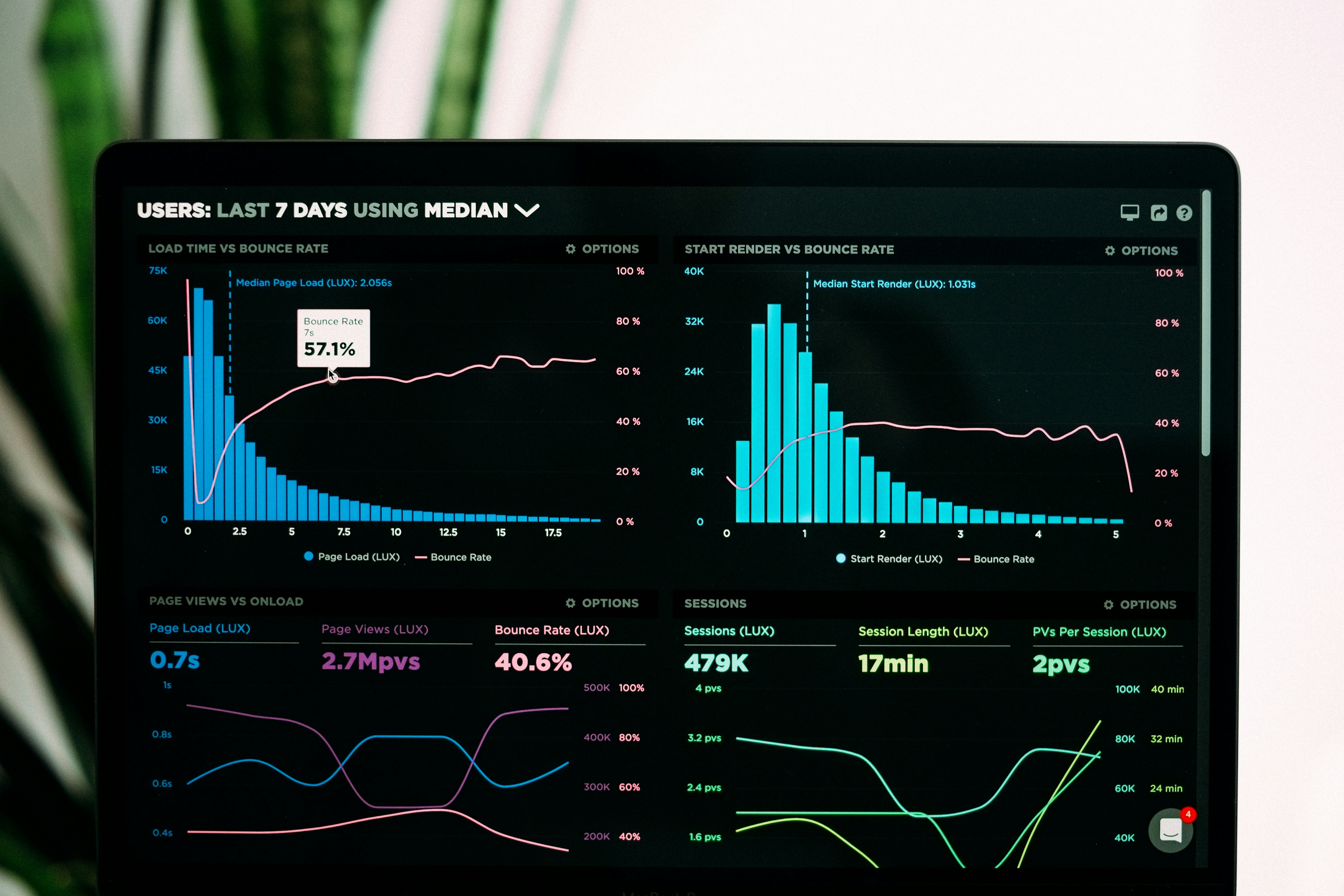
There's no single number that answers how long to paper trade before you go live — the honest answer is "until the strategy has been tested against conditions it will actually face." A weekend of green candles proves nothing. This guide breaks down what a paper-trading window is really measuring, how to know when you've seen enough, and why the calendar matters less than the market regimes you cover.
What paper trading is actually testing
Paper trading runs your strategy with simulated capital against live or historical market data. Nothing is at risk, so the point isn't the profit-and-loss figure at the end — it's the behavior along the way. You're checking whether the logic does what you intended: does it enter when it should, exit when it should, and size positions the way you defined?
The trap is treating paper trading as a scoreboard. A strategy that makes money for a week in a calm, trending market has told you almost nothing about how it handles chop, gaps, or a sharp reversal. The real question is whether you've observed the strategy across enough different conditions to trust its rules, not whether the simulated balance went up.
Think of the paper-trading window as evidence gathering. The longer and more varied the window, the more confident you can be that what you're seeing reflects the strategy rather than luck.
Why the market regime matters more than the calendar
Two months of paper trading in a single, quiet uptrend can be less informative than two weeks that happen to include a violent selloff and a recovery. Time on the clock is a poor proxy for what you actually need: exposure to bull phases, bear phases, sideways ranges, and the volatile transitions between them.
Crypto markets move fast, which cuts both ways. You may encounter several distinct regimes in a short span, or you may sit in one mood for a long stretch. Because Liquid Edge runs on Hyperliquid, a fast on-chain venue, you can observe how a strategy behaves in real market microstructure rather than an idealized simulation — but you still need patience to let varied conditions arrive.
A useful mental checklist: has the strategy seen at least one meaningful drawdown? Has it faced a period where it was wrong and had to manage a losing position? If the answer is no, the calendar hasn't done its job yet, no matter how many days have passed.
Signs you've paper traded long enough
You're approaching readiness when the strategy's behavior stops surprising you. If you can predict roughly how it will react to a given move — because you've watched it react to similar moves before — you've built genuine familiarity. Surprises during paper trading are cheap; surprises with real capital are not.