Learning how to monitor automated trading is what separates a strategy you can trust from one that quietly drifts into trouble. Automation removes the need to place every order by hand, but it does not remove the need to pay attention. A bot faithfully executes whatever logic you gave it, including in conditions that logic was never designed for. Ongoing oversight is how you catch the difference between a strategy that is working as intended and one that has stopped making sense.
What to watch, and why
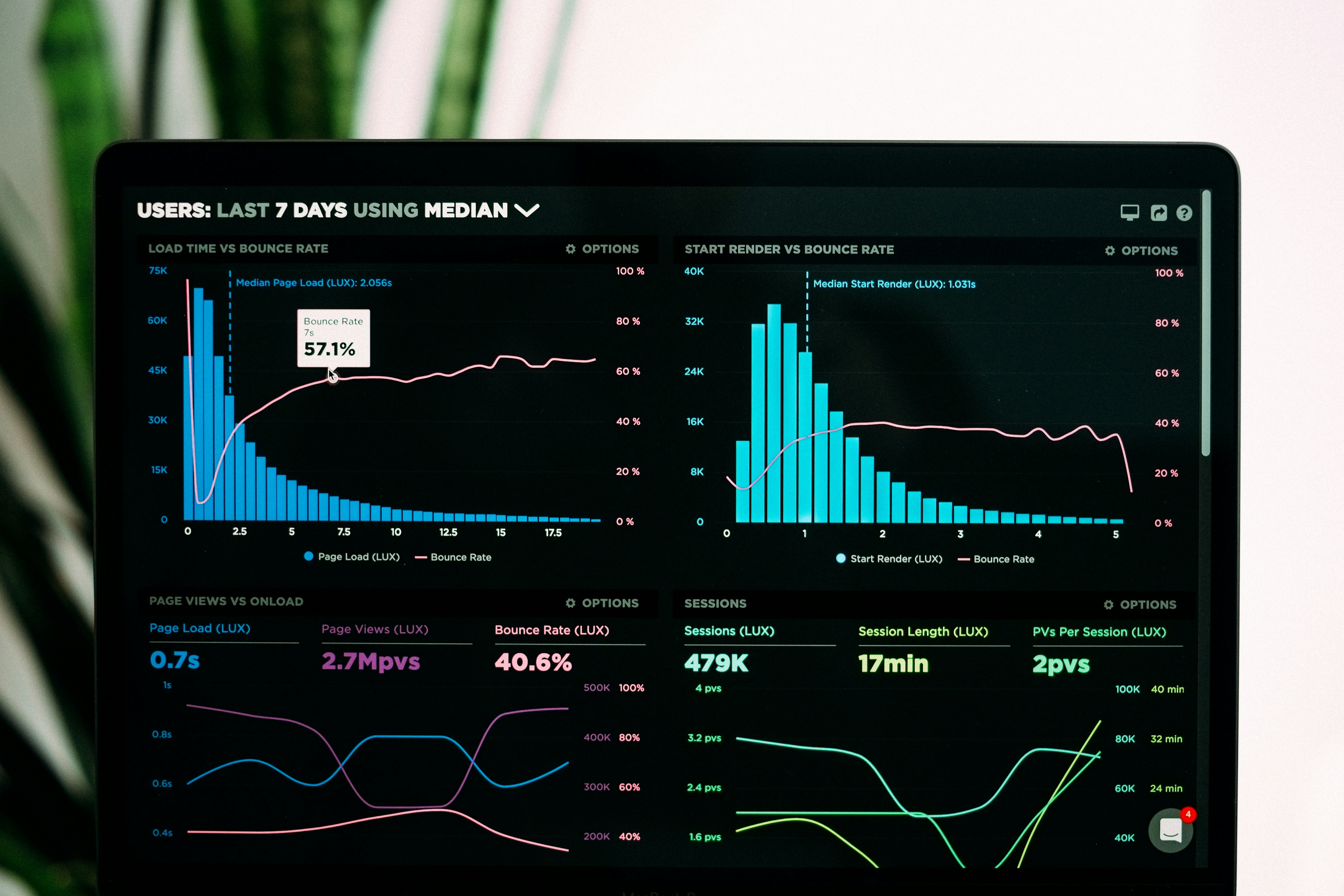
Effective monitoring starts with knowing which signals actually matter. Cumulative performance tells you the broad story, but the more useful details live underneath it: the depth and duration of drawdowns, how the current results compare to what your backtest led you to expect, and whether individual trades are filling near their intended prices. A strategy can show a flat equity curve while something meaningful has already broken beneath the surface.
Pay particular attention to consistency between expectation and reality. If your testing suggested a certain rhythm of wins and losses and live trading is producing something markedly different, that gap is information. It may be normal variance, or it may be the first sign that market conditions have shifted away from what the strategy assumes. The point of monitoring automated trading is not to react to every wiggle, but to notice when live behavior stops resembling the behavior you validated.
Telling normal drawdowns from real trouble
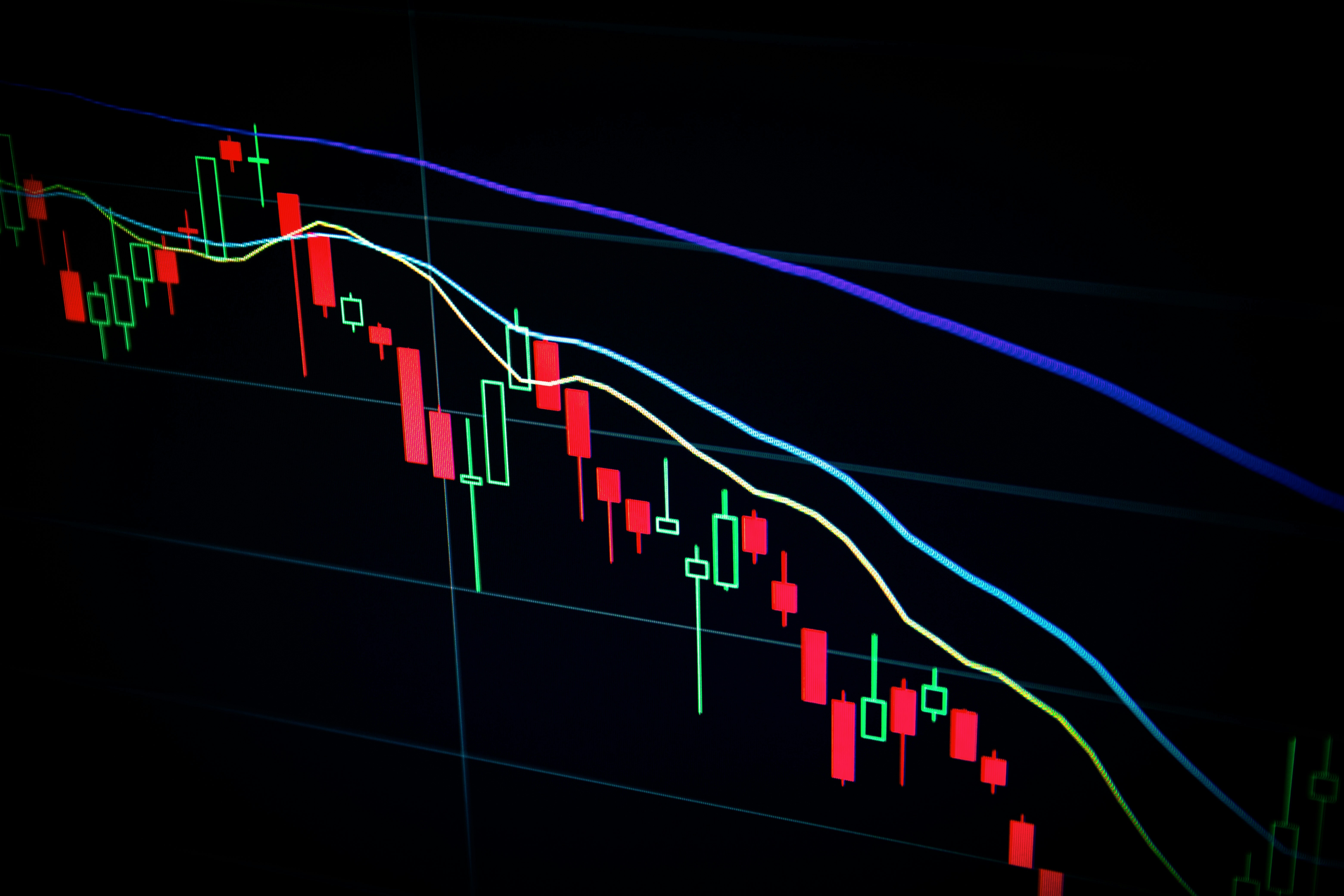
Every genuine strategy goes through losing stretches, and one of the hardest parts of oversight is resisting the urge to intervene during a perfectly ordinary drawdown. If your out-of-sample testing showed that a strategy occasionally strings together losses, then seeing that happen live is not evidence of failure — it is the strategy behaving as characterized. Overreacting to expected losses can do more damage than the losses themselves.
The trouble worth acting on looks different. A drawdown deeper or longer than anything your testing ever produced, a sudden change in how trades are filling, or performance that diverges sharply from the regime the strategy was built for — these are the patterns that warrant a closer look. The discipline is in defining, ahead of time, what "worse than expected" actually means for your strategy, so that when it happens you are responding to a threshold you set in a calm moment rather than to fear in a volatile one.
Building a monitoring routine
Good oversight is a habit, not a one-time setup. Decide in advance how often you will review results and what you will look at each time, so monitoring does not collapse into anxiously refreshing a screen. A regular cadence — checking key metrics on a schedule rather than reacting to every price move — keeps you informed without pulling you back into the manual, emotional trading that automation was meant to replace.