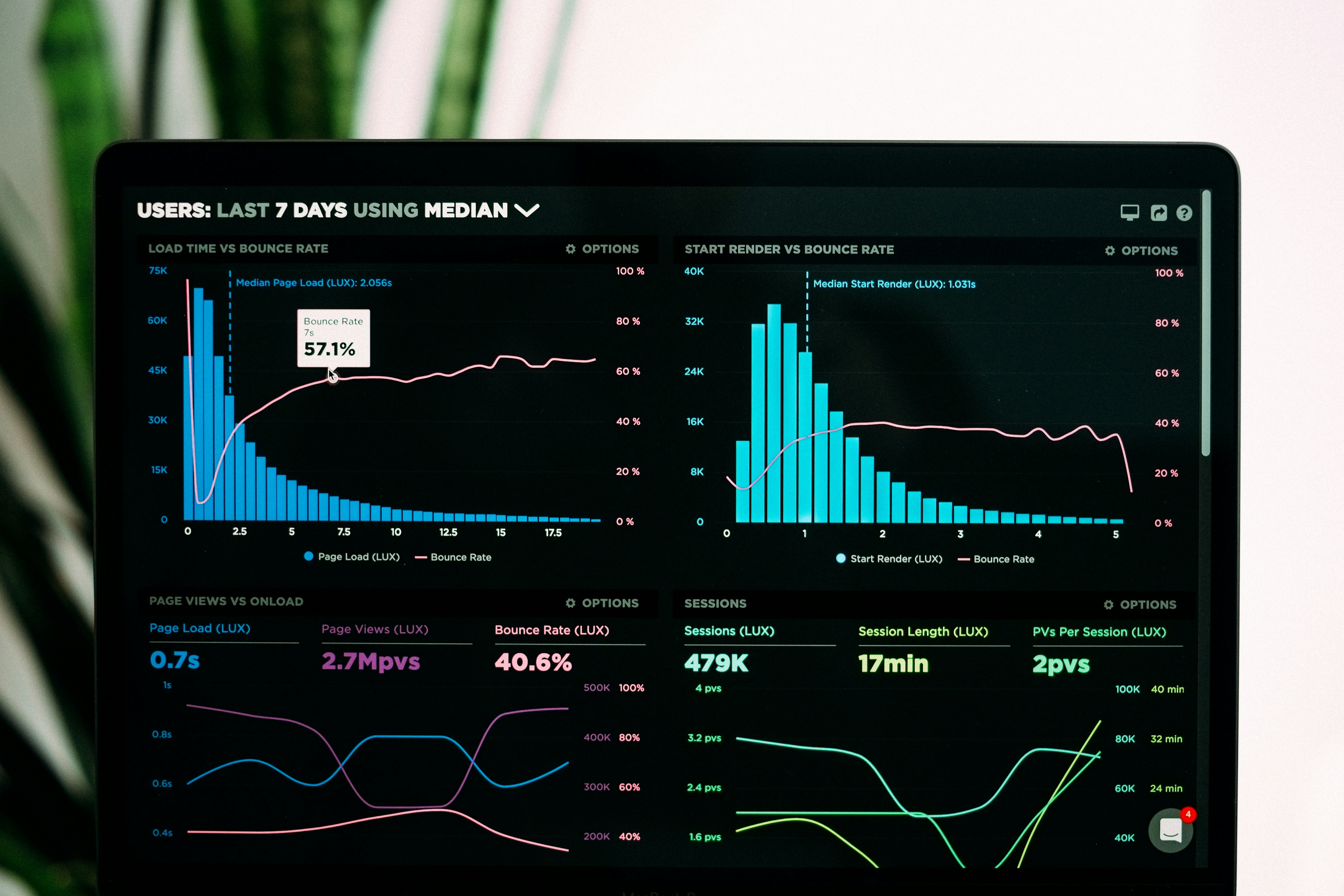


Turning a trading idea into logic with AI is one of the most practical ways to use these tools, and also one of the easiest to misuse. Most traders start with a hunch — "this setup seems to work" — but a hunch is not a strategy until it becomes explicit, testable rules. AI can help make that translation faster and more precise, as long as you keep the reasoning in your own hands. Here is how to approach it.
Start by making the idea explicit
Before AI can help with anything, you need to state your idea clearly enough to test. Vague intuitions like "buy when it looks strong" cannot be validated because they cannot be defined. The work is to pin down what "strong" means: which conditions, on which timeframe, with what entry, exit, and risk limit. This step is unglamorous but essential, and it is entirely yours to own.
AI can act as a thinking partner here. Describe your idea in plain language and it can help you spot ambiguity, ask clarifying questions, and propose concrete definitions for fuzzy terms. It might suggest how to express "strong momentum" as a measurable condition or point out a case you had not considered. The judgment about whether those suggestions match your actual intent stays with you — AI sharpens the idea, it does not decide what the idea should be.
Translate the idea into rules
Once the concept is clear, the next step is expressing it as logic a system can execute: specific entry conditions, exit conditions, position sizing, and risk controls. This is where AI can save real time, helping convert your described intent into structured rules and catching gaps — a missing exit, an undefined stop, a condition that could never trigger. It handles the mechanical translation so you can focus on whether the logic captures what you meant.
The discipline that matters most here is simplicity. It is tempting to keep adding conditions until the idea looks sophisticated, but every extra rule is another chance to fit noise instead of signal. Before accepting any rule, ask whether it reflects a reason you can explain or whether it only exists to erase a few losing trades. AI can generate complexity effortlessly, which makes your restraint the important safeguard. Keep the logic as lean as the idea genuinely requires.
Validate before you trust it
A translated idea that looks good on paper has proven nothing. The moment you have executable logic, the real test begins: does it hold up on data it was not built on? Split your history, tune on one portion, and evaluate on a separate untouched portion. If performance survives the unseen data, you have some evidence of a real edge. If it collapses, the idea was fitting the past rather than capturing anything durable.
AI does not exempt you from this discipline — if anything it raises the stakes, because it makes it so easy to generate logic that flatters history. Treat every AI-assisted strategy as a hypothesis, not a conclusion. After out-of-sample testing, paper trade in live conditions so the logic faces a future it could not have memorized. Only once an idea survives both checks does it deserve real capital, no matter how elegant the AI-generated rules appear.