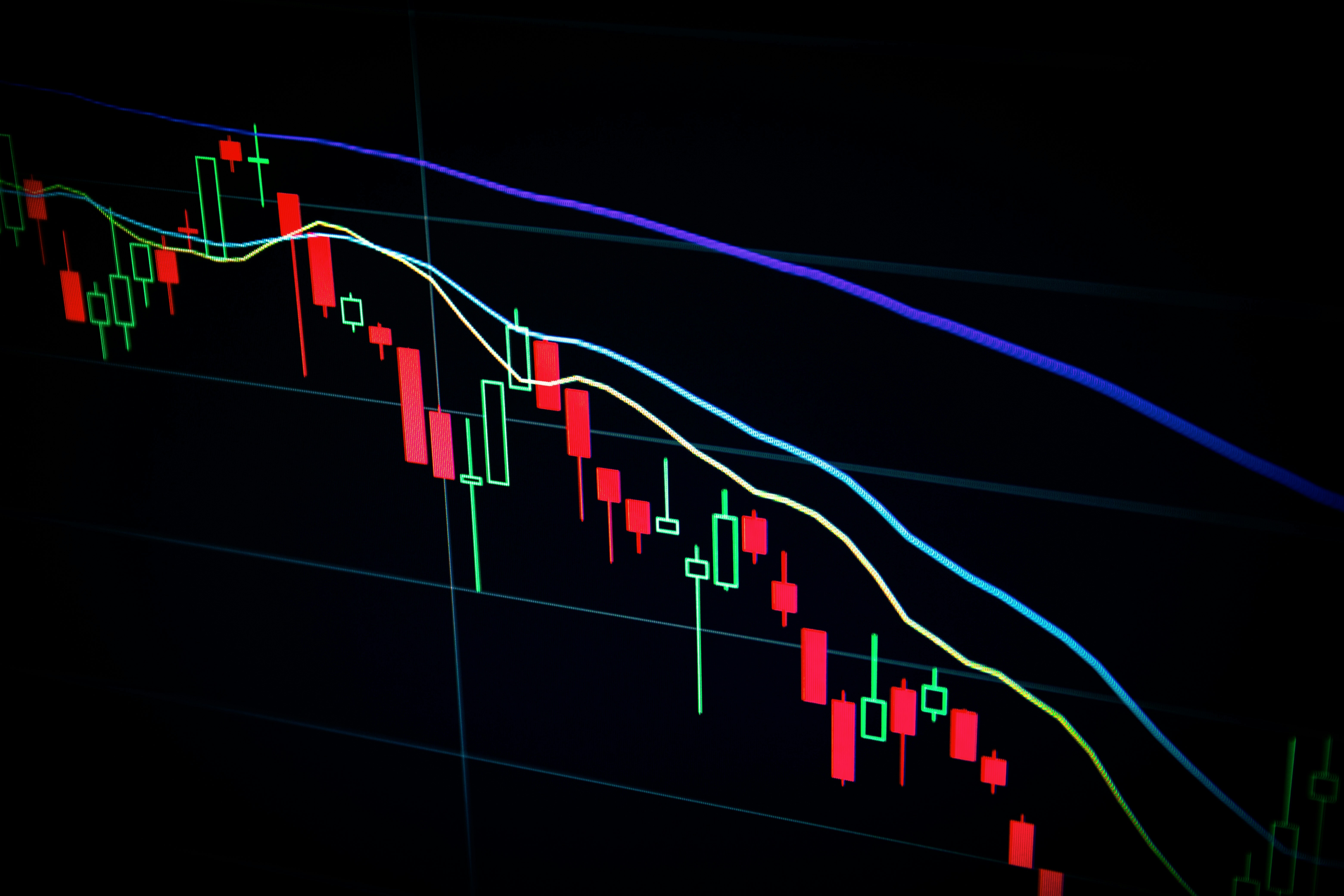
The choice of scalping vs swing trading is really a choice about timeframe and temperament. Scalping means taking many quick trades that last seconds to minutes, aiming to capture small moves repeatedly. Swing trading means holding positions for hours to days to capture larger moves, accepting fewer trades in exchange for bigger targets. Both can work in crypto's around-the-clock markets, but they demand very different routines. This guide compares the two so you can see which fits.
How scalping works
Scalping is a high-frequency style built on volume of trades. A scalper enters and exits rapidly, aiming to skim a small profit from each move and repeat it many times. Because each trade targets only a little, execution quality and trading costs matter enormously — fees and slippage eat directly into gains that are small by design.
Scalping demands intense focus and fast decisions, which makes it a natural fit for automation. A rules-based system can watch the market continuously and act the instant conditions line up, without the fatigue that wears down a human doing the same thing hundreds of times. The trade-off is that scalping leaves little room for error: with small targets, a few oversized losses or a run of poor fills can undo a long series of wins.
How swing trading works
Swing trading operates on a slower clock. A swing trader holds a position for hours or days, aiming to capture a larger portion of a move and accepting that fewer opportunities will present themselves. Because targets are wider, the impact of any single fee or small slippage is proportionally smaller than it is for a scalper.
The demands are different too. Swing trading asks for patience and the ability to sit through interim fluctuations without abandoning a thesis prematurely. It requires less constant screen time than scalping, but it exposes each position to overnight and multi-day market shifts. Where scalping stresses speed and precision, swing trading stresses patience and the discipline to let a trade develop while still respecting a predefined exit.
Crypto's continuous, always-open markets shape both styles. A scalper can find activity at any hour but must contend with conditions that shift as different parts of the world trade. A swing trader, meanwhile, never gets an overnight close that pauses the action, so a position is exposed to movement around the clock. Understanding how the market's non-stop nature interacts with your chosen timeframe is part of picking the style that genuinely fits your routine.
Choosing the style that fits
Neither style is inherently superior; they suit different people and different goals. Scalping rewards those who want frequent action and can lean on automation to handle the pace. Swing trading rewards those who prefer fewer, more considered decisions and are comfortable holding through short-term noise. Your available time, attention, and tolerance for either constant activity or open-position uncertainty all point toward one or the other.