Risk-on and risk-off describe the market's overall appetite. In risk-on mode, money flows toward assets with big upside and big downside — stocks, crypto. In risk-off mode, it retreats to safer ground like cash and government bonds. Rates, fear, and headlines flip the switch — usually visible only afterward.
What does risk-on / risk-off actually mean?
It's shorthand for which direction money is rotating: toward risky assets (risk-on) or away from them into safe ones (risk-off). A risky asset is anything that can gain a lot or lose a lot — stocks, crypto, small speculative bets. A safe asset is one bought mainly to not lose — cash, government bonds. When investors feel confident, they reach for risk; when they feel scared, they reach for shelter. The two moods look like this:
| Risk-on | Risk-off | |
|---|---|---|
| The mood | Confident, hunting for gains | Scared, protecting what's left |
| Money flows toward | Stocks, crypto, speculative assets | Cash, government bonds, gold |
| Typical crypto behavior | Rises, often faster than stocks | Falls, often harder than stocks |
What flips the switch?
Interest rates, fear, and news — in plain words, anything that changes how rewarding safety is or how scary risk feels. Rates matter most: when safe savings and government bonds start paying well, taking big risks feels less necessary, and money drifts toward safety. When safe returns are tiny, people reach for riskier assets to earn anything at all. Fear is the faster trigger — a bank failure, a war headline, a shock statistic — and it spreads through markets quicker than any official announcement. Sometimes the switch flips over months as rates grind higher; sometimes it flips overnight on one piece of news. Nobody rings a bell either way.
Why does crypto usually trade as a risk-on asset?
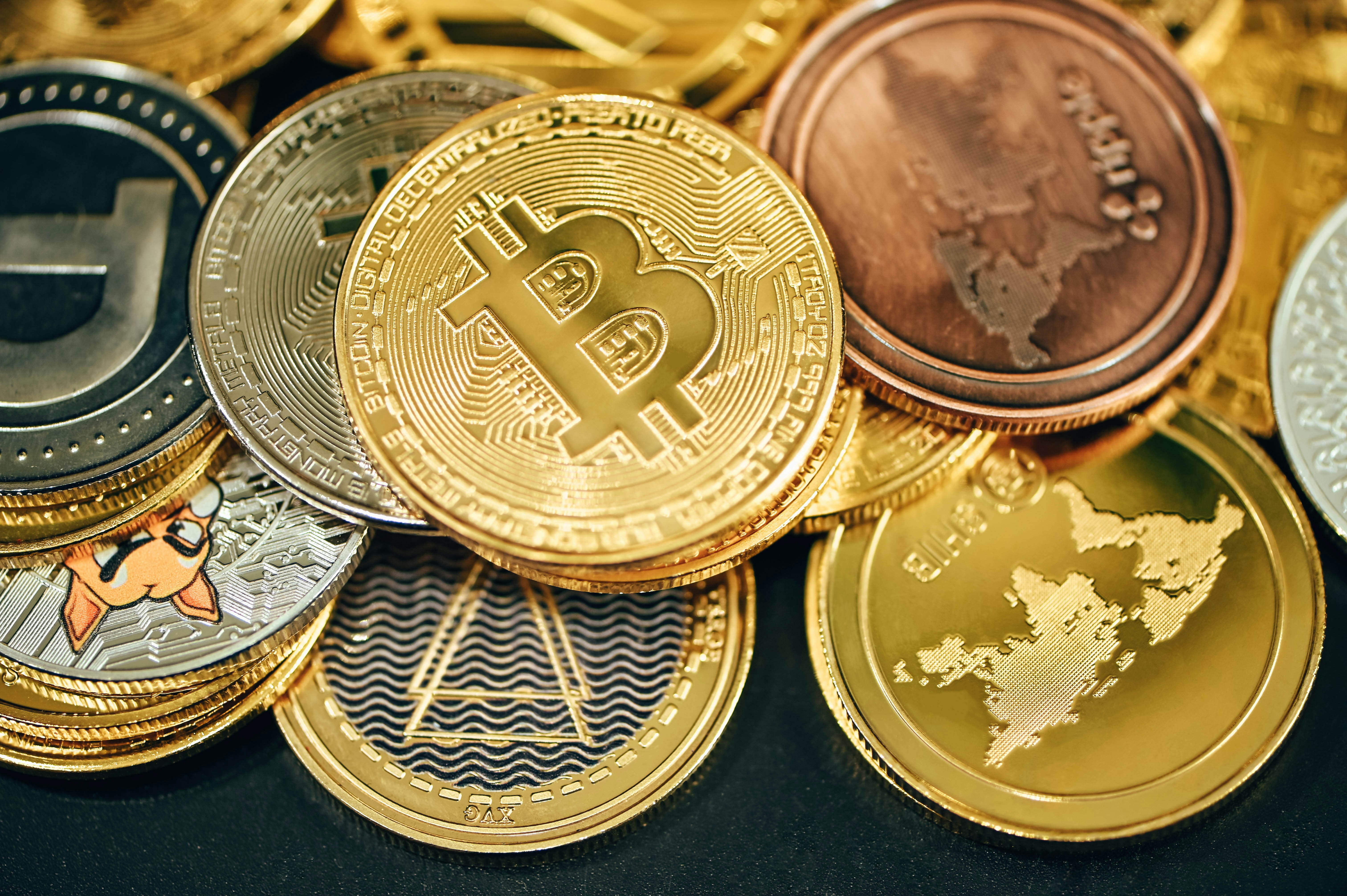
Because it sits at the far end of the risk spectrum: no cash flows, no earnings, priced almost entirely on what people believe it will be worth later. Assets like that thrive when investors are hungry for upside and get sold first when investors want their money somewhere safe. You'll sometimes hear crypto described as "digital gold" — a shelter to run to — but in past panics it has often fallen alongside stocks rather than shielding anyone, which is exactly how a risk-on asset behaves. For a beginner, this is the practical takeaway: crypto's price isn't driven only by crypto news. When the whole market's appetite changes, crypto usually feels it — often amplified.