It depends entirely on how you do it. Trading stops being gambling when you follow tested rules with positive expectancy — and it stays gambling for as long as you don't. Random entries on a volatile market are a casino with worse hours; tested rules with sized risk are calculated risk-taking with a plan.
What separates trading from gambling?
One sentence: trading stops being gambling when you have a tested edge — positive expectancy — and it stays gambling for exactly as long as you don't. Expectancy is the average amount you win or lose per trade once wins, losses, and their sizes are all counted over many trades. A casino game has negative expectancy by design: the rules guarantee the house a small average take on every round, which is why casinos have marble floors. Both traders and gamblers take risks on uncertain outcomes — that part is identical, and pretending otherwise is dishonest. The difference is whether the odds across many rounds are known and favorable, and whether you learned that by testing your rules against real market history rather than by feeling lucky after two good weeks.
What does the gambling version of trading look like?
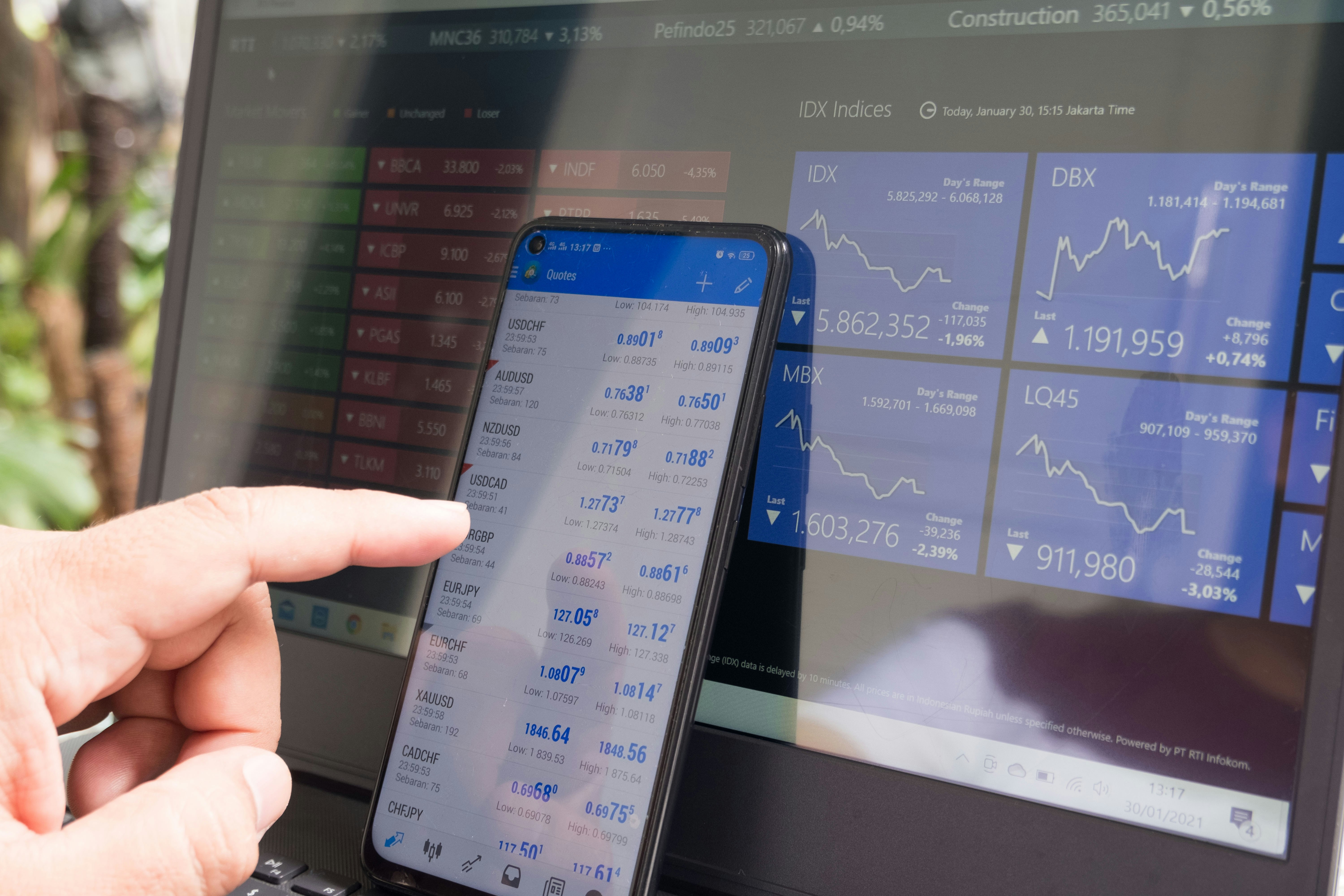
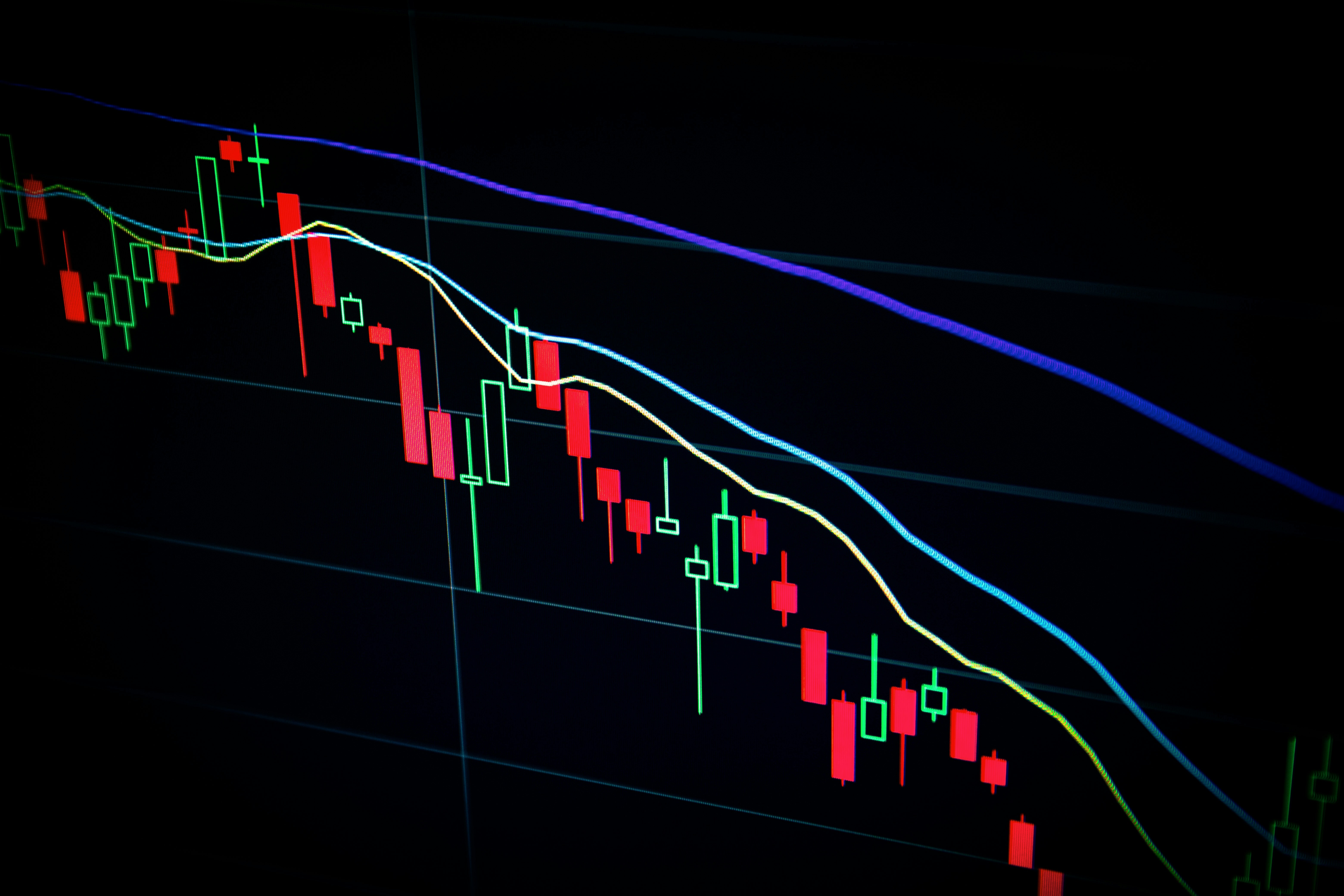
Random entries, no exit plan, and fees quietly playing the house. Work the numbers: suppose you enter trades on gut feel, winning $100 or losing $100 with equal chance — expectancy zero so far, a pure coin flip. Now subtract roughly $2 in fees and spread costs per round trip. Your expectancy is −$2 per trade: over 500 trades, an expected −$1,000, delivered with plenty of exciting swings along the way. That is structurally identical to a casino game — a fair-looking bet with a small house take, repeated until the take adds up. The chart on the screen, the technical jargon, and the occasional big win don't change the arithmetic: random entries plus trading costs equals a slow, entertaining leak.
What does the non-gambling version look like?
Rules you tested before risking money, with an expectancy you can actually state. Say your tested rules win 40% of the time averaging +$150, and lose 60% of the time averaging −$75. Expectancy: 0.4 × $150 − 0.6 × $75 = $60 − $45 = +$15 per trade before costs — about +$13 after the same $2 in fees. Notice you can lose more often than you win and still come out ahead; the size of wins and losses matters as much as the hit rate. Getting numbers like these requires testing the rules against past markets, recording every result, and sizing positions so a normal losing streak can't end the game. Same uncertainty on any single trade — completely different arithmetic per hundred trades.
How can you tell which one you're doing?
Score yourself against the line, honestly — the table doesn't care about your intentions.