
A liquidation cascade is a chain reaction: a price drop forces leveraged traders to sell, that selling pushes the price lower, which forces the next group to sell, and so on. It's the domino mechanism behind crypto's sudden, violent price spikes — and it's why your stops and leverage settings matter more than you think.
What is a liquidation in the first place?
A liquidation is the exchange force-closing a leveraged position because the trader's collateral can no longer cover the losses. Leverage means trading with borrowed money: put up $1,000 at 10x and you control a $10,000 position. The catch is that losses come out of your $1,000, not the $10,000 — so a 10% move against you wipes your collateral entirely. The exchange doesn't wait for that; when losses approach your margin, it closes the position by selling it into the market at whatever price is available. The key phrase is at whatever price is available. A liquidation is not a decision. It's a market sell order fired automatically, at the worst possible moment, by someone who has no choice.
How does one liquidation turn into a cascade?
Because each forced sale pushes the price into the next trader's liquidation level. Walk through the dominoes: (1) the price dips, say 3%, for any ordinary reason. (2) The most leveraged longs — the 20x and 50x crowd — hit their liquidation prices, and the exchange dumps their positions as market sells. (3) That extra selling pressure knocks the price down further. (4) The next tier of traders, who thought their 10x positions were safe, now hit their levels and are force-sold too. (5) Repeat, tier by tier, until the leveraged sellers run out. The whole chain can play out in minutes. Nobody in it chose to sell — the selling begets the selling. Cascades run upward too: a small pump liquidates shorts, whose forced buying fuels the pump.
Why do crypto charts have those long wicks?
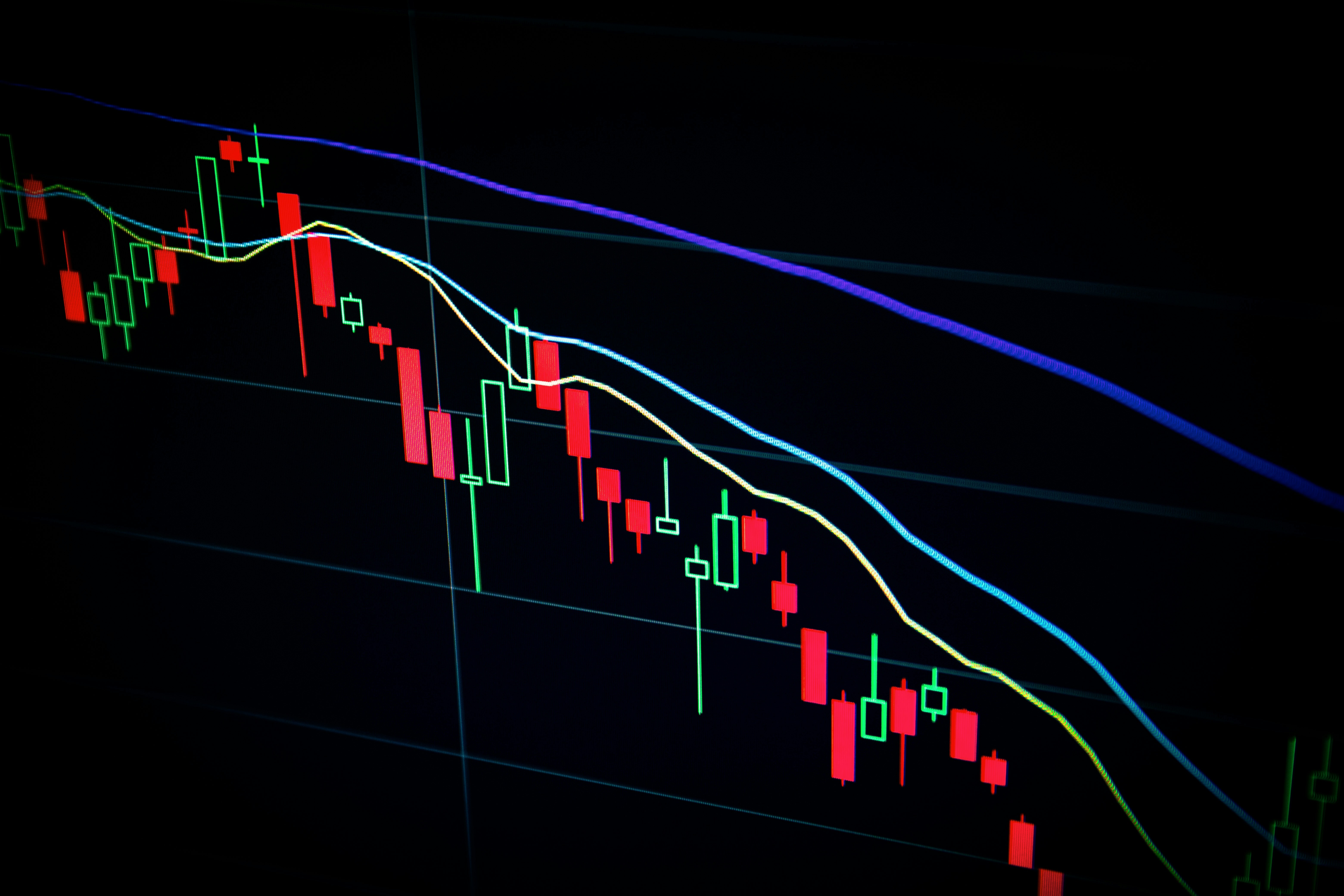
Wicks are the scar a cascade leaves on the chart — the price spikes far beyond where any calm buyer or seller would trade, then snaps back once the forced orders are exhausted. During the cascade, market sells are hitting a book with fewer and fewer buyers, so each fill lands lower than the last. The instant the last liquidation clears, that artificial pressure vanishes, bargain hunters step in, and the price rebounds toward where it started. On a candlestick chart that round trip prints as a long thin wick. Here's the uncomfortable part: your stop-loss doesn't get skipped by the wick. If the wick touched your stop price, you sold there — often within sight of the exact bottom.
What does this mean for your stops and leverage?
Two practical lessons. First, leverage decides how much ordinary noise can kill you — and the math is unforgiving: