

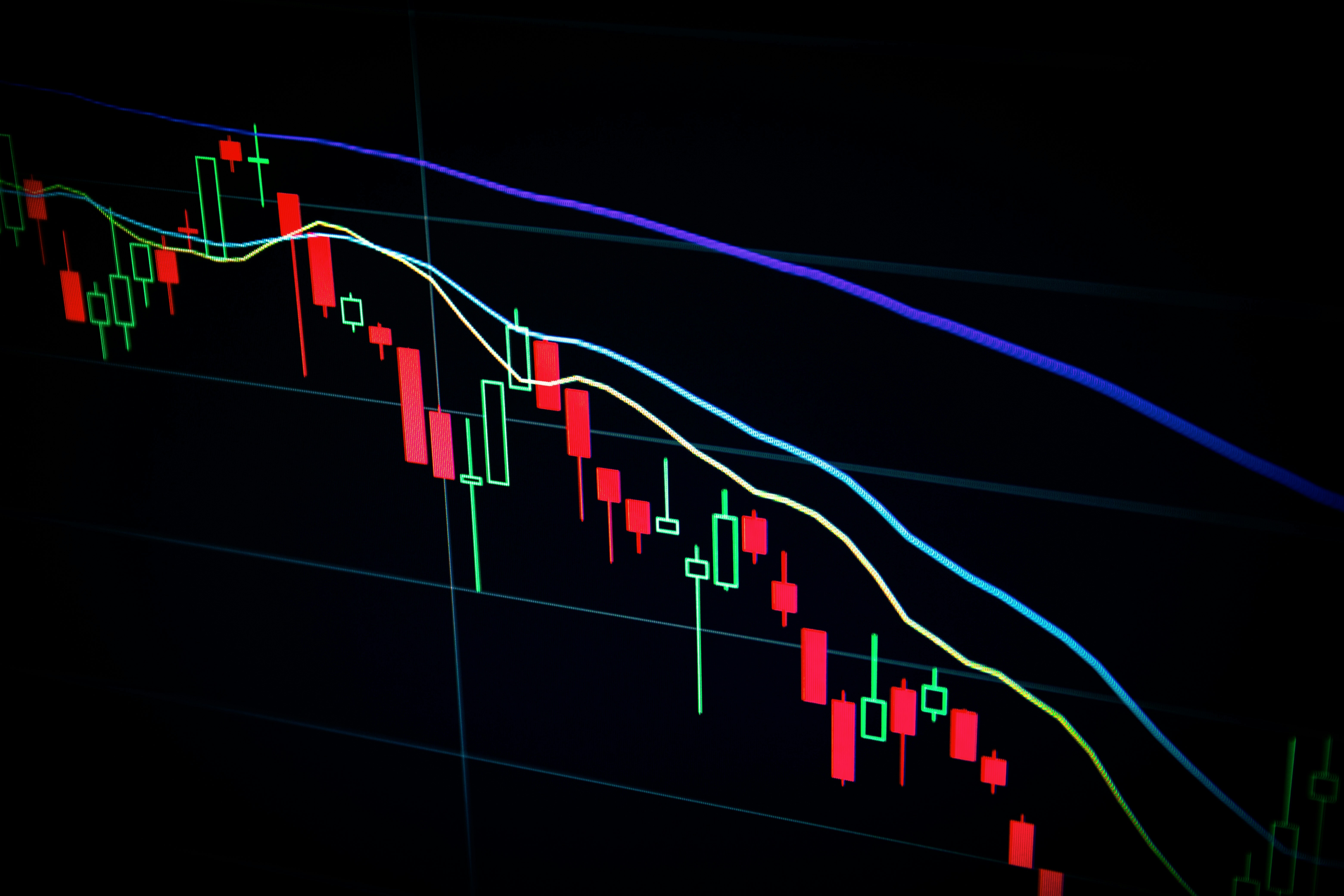
A market regime is the prevailing character of a market over a stretch of time — the broad behavior that describes whether prices are trending, drifting sideways, or lurching around with sharp swings. Recognizing the current market regime matters because a strategy that thrives in one set of conditions often struggles in another. Understanding regimes helps you set expectations, choose appropriate rules, and avoid mistaking a lucky stretch for a durable edge.
The idea behind regimes
Markets do not behave the same way all the time. For weeks they may climb steadily; then they flatten into a narrow range; then they break into a burst of volatility where moves are large and unpredictable. Each of these stretches has its own texture, and traders describe that texture as a regime. Thinking in regimes is a way of acknowledging that the same asset can present very different challenges depending on when you look at it.
The value of the concept is that it reframes performance. A strategy that made money last month may not have found a genuine edge; it may simply have been well-suited to the regime that happened to be in force. When the regime shifts, that same strategy can quietly stop working. Naming the regime you are in keeps you honest about why results look the way they do, and it prepares you for the possibility that conditions will change.
Common types of market regime
The most familiar market regime distinction is between trending and ranging conditions. In a trending regime, prices move persistently in one direction, and strategies that ride momentum or breakouts tend to have room to work. In a ranging regime, prices oscillate between rough boundaries without committing to a direction, and approaches that fade extremes or trade the range can fit more naturally. A strategy built for one of these will often behave poorly in the other.
Volatility adds another dimension. A quiet, low-volatility regime produces small, orderly moves, while a high-volatility regime produces large, jumpy ones that can trigger stops and widen the gap between expected and actual fills. The same directional bias feels completely different at low versus high volatility. In practice, regimes blend these traits — you might face a high-volatility uptrend, or a calm sideways drift — and the useful skill is describing the mix rather than forcing every market into a single label.
Why regimes matter for your strategy
Because no single approach suits every regime, one of the biggest risks in systematic trading is testing an idea only against the conditions that flatter it. If you build and validate a strategy during a long, clean trend, its results will look wonderful — right up until the trend ends. Deliberately examining how a strategy behaves across trending, ranging, and volatile stretches gives you a far more honest picture of what to expect and where it is likely to break down.