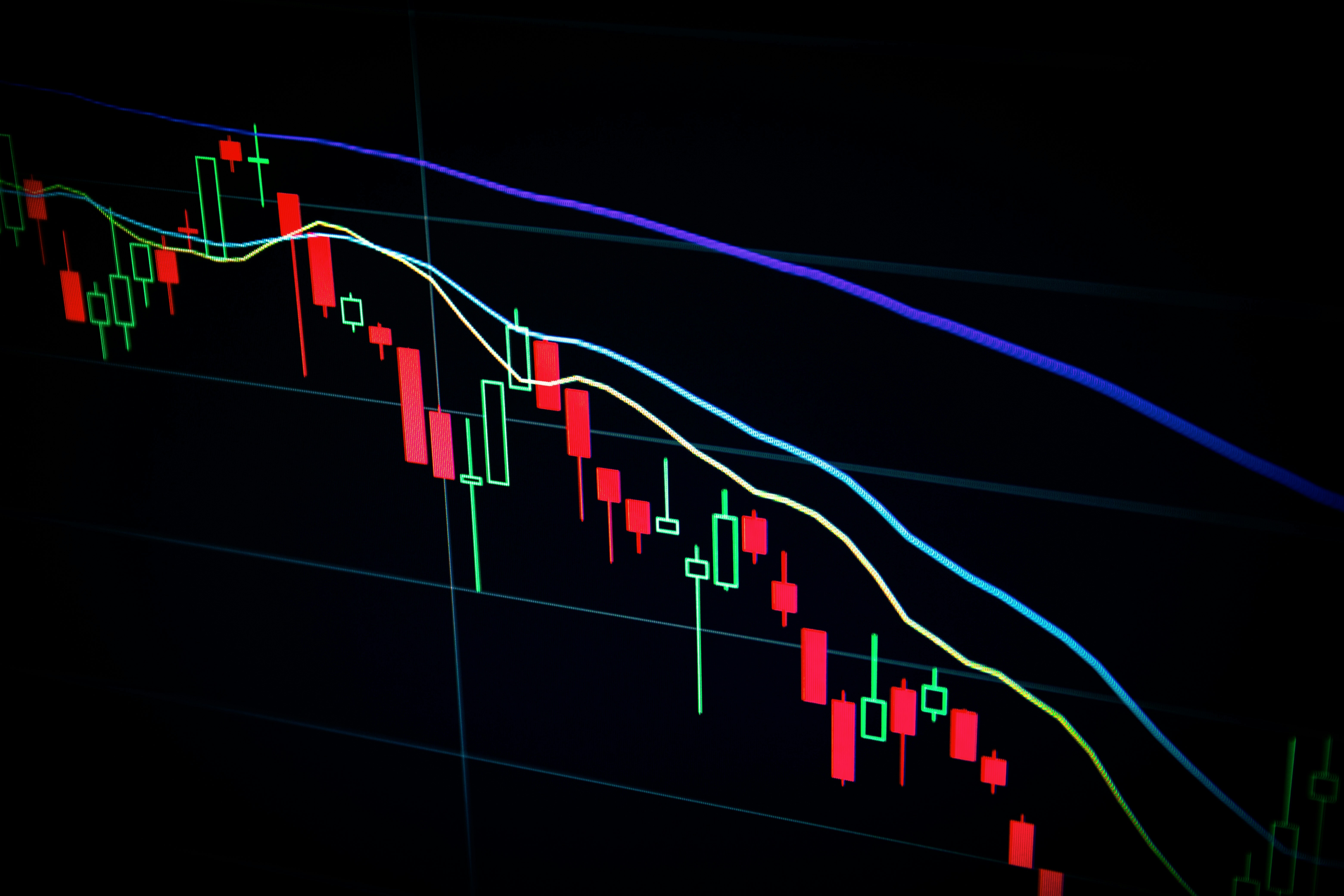
A trading signal is the trigger that tells a strategy when to act. It is the moment a set of conditions you defined in advance becomes true, prompting a bot to enter, exit, or adjust a position. Every automated strategy, no matter how simple or elaborate, is ultimately a machine for generating and responding to signals. Understanding what a signal is — and what it is not — is the foundation for building automation you can reason about.
What a signal actually is
At its core, a trading signal is a rule expressed precisely enough that a computer can evaluate it without judgment. "Buy when this condition is met" is a signal; "buy when it feels right" is not. The defining quality is that a signal is unambiguous. Given the same market data, it either fires or it does not, and it does so the same way every time, free from the hesitation and second-guessing that shape manual decisions.
Signals come in many forms. Some are based on price crossing a threshold, others on the relationship between two moving values, others on measures of momentum or volatility. What matters is not the specific ingredient but the structure: a clearly stated condition that translates market data into a definite yes-or-no answer. That clarity is exactly what makes a trading signal something a bot can act on automatically and consistently.
How bots turn signals into trades
A bot's job is to watch the market continuously, evaluate its signal conditions against incoming data, and act the instant a condition is satisfied. Where a human might notice an entry too late, hesitate, or talk themselves out of it, a bot executes the moment its rule is met. This tireless consistency is the central advantage of automation: the strategy behaves the same way at any hour, regardless of mood or attention.
Most strategies rely on more than one signal working together. An entry signal opens a position, while separate exit signals — a profit target, a stop level, or a change in the underlying condition — decide when to close it. The interplay between these signals defines the strategy's whole character. Designing them well means thinking not just about when to get in, but about the full lifecycle of a trade from open to close, so the bot always has an unambiguous instruction for whatever the market does next.
Signals are only as good as their logic
A signal firing is not the same as a signal being right. A bot will execute a flawed signal with the same discipline as a sound one, which means the quality of your results depends entirely on the quality of the logic behind the trigger. A signal tuned too tightly to past data may fire perfectly on history and uselessly on live markets — the automation is faithful, but it is faithfully reproducing a mistake.